Close


Slots
Slots are the most played casino games because they combine simple gameplay with complex payout mechanics behind the scenes. Every spin is controlled by RNG software, meaning outcomes are instant and independent.
What actually matters is not luck alone, but how RTP, volatility, and bonus features shape long-term results. Most players ignore these factors and misunderstand how slots really behave.
If you want to understand payout logic, read the Casino RTP Guide before choosing a game. For a broader overview of casino systems, see the Safe Online Casino Guide.
36 games found
Sort by:
Latest added
 Primal Rampage
 Gemhalla Xtreme
 Das xBoot 2
 The Crypt 2
 True Grit Redemption 2
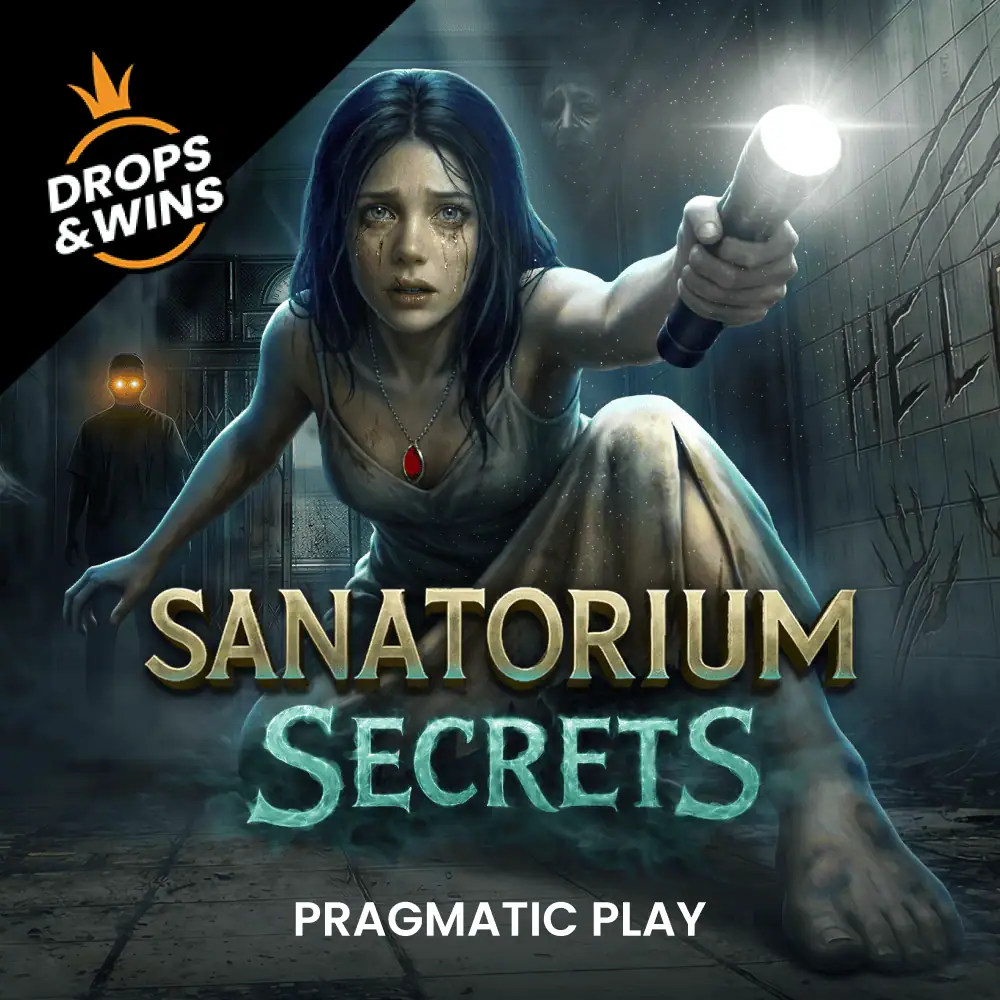 Sanatorium Secrets
 Big Bass Football Bonanza
 Candy Rush
 Madame Destiny Megaways
 Fruit Party
 The Dog House Megaways
 Starlight Princess
 Big Bass Bonanza
 Sweet Bonanza
 Elvis Frog in Vegas
 Wild Cash
 Aztec Clusters
 Bonanza Billion
 Reactoonz
 Book of Dead

Bitunix Exchange – 50% Deposit Bonus & 200x Futures Trading

Slot Games Explained: What Players Usually Miss
Slot games look simple, but they operate on structured mathematical systems. Every result is generated by a Random Number Generator (RNG), not by visible reel movement. The spin animation only displays a result that has already been calculated.
Because of this, slots do not have patterns, streak logic, or timing strategies. Each spin is independent.
What actually defines a slot is its internal structure:
- RTP (long-term payout percentage)
- Volatility (risk vs reward balance)
- Bonus mechanics (free spins, multipliers, features)
- Payline or ways-to-win system
Understanding these elements changes how you approach slots completely.
Types of Slot Games
Not all slots behave the same. The category includes multiple formats with different risk profiles.
Classic Slots
- 3 reels
- Limited features
- Lower volatility
Video Slots
- 5+ reels
- Bonus rounds and features
- Most common format
Megaways Slots
- Dynamic reel systems
- Thousands of win ways
- High volatility
Progressive Jackpot Slots
- Shared prize pools
- Large potential payouts
- Lower base RTP in many cases
For a full breakdown of casino game structures, see the Casino Game Types Guide.
How Slot Payouts Actually Work
One of the biggest mistakes players make is thinking slots are “due” to pay.
They are not.
Each spin:
- Is calculated independently
- Has no memory of previous results
- Cannot be influenced by timing
What matters instead:
- RTP over time
- Volatility level
- Session control
This is why two players can have completely different results on the same game.
Volatility vs RTP: The Real Difference
Most players confuse these two.
| Factor | What It Means | Impact |
|---|---|---|
| RTP | Long-term payout percentage | Defines expected return |
| Volatility | Risk level | Defines payout frequency |
- High RTP + High Volatility: Rare but large wins
- Medium RTP + Medium Volatility: Balanced gameplay
- Lower Volatility: Frequent small wins
Choosing the wrong volatility level is the most common reason players lose control of sessions.
Why Providers Matter
The software provider defines how a slot behaves.
They control:
- RTP ranges
- Feature design
- Game fairness
- Mathematical model
You can explore provider differences in the Casino Providers Guide.
How to Choose the Right Slot
Your goal determines the right game.
For low risk:
- Low volatility
- Simple mechanics
For big wins:
- High volatility
- Bonus-heavy slots
For balanced play:
- Medium volatility
- Feature-rich games
Slots are not strategy games, but game selection is critical.
Where Slots Fit in the Casino Ecosystem
Slots dominate because they scale better than any other game type:
- No dealer required
- Instant gameplay
- Thousands of variations
- Easy integration with bonuses and crypto
If you’re playing with crypto, explore environments in the Best Crypto Casinos section.
What This Page Helps You Do
This category allows you to:
- Compare slot mechanics
- Identify volatility levels
- Explore providers
- Discover bonus-heavy games
- Find jackpot-focused slots
Slots are easy to play.
Understanding them properly is what gives you control.
Slot Mistakes, Myths & What Players Get Wrong
Most players don’t lose because of bad luck. They lose because they misunderstand how slot systems actually work.
Slots are built on fixed mathematical models. If you approach them with the wrong expectations, you will misjudge risk, overextend sessions, and misinterpret outcomes.
Common Slot Mistakes
These are the most frequent errors:
- Chasing losses
Players increase bets after losing, expecting recovery. Slots don’t work like that. Each spin is independent. - Ignoring volatility
Many players choose high-volatility games without understanding that long losing streaks are normal. - Overvaluing bonus features
Free spins and multipliers look attractive but often come with higher volatility or adjusted RTP structures. - Misunderstanding RTP
RTP is calculated over millions of spins. It does not guarantee short-term results.
If you want to understand how bonuses affect slot gameplay and wagering, review the Casino Bonus Guide.
Slot Myths Explained
There are persistent myths that lead to poor decisions:
- “Slots are due to pay”
False. RNG ensures every spin is independent. - “You can time spins”
Impossible. Outcomes are calculated instantly. - “Hot and cold machines exist”
What players see is variance, not patterns. - “Higher bets increase win chance”
They increase potential payout size, not probability.
Understanding these myths removes emotional decision-making and improves session control.
Slot FAQ – Real Answers
Are slots based on luck or strategy?
Slots are purely probability-based. There is no strategy that changes outcomes, but game selection and bankroll control matter.
Can you predict when a slot will pay?
No. Every spin is independent and determined by RNG at the moment you press spin.
What is a good RTP for slots?
Most online slots range between 94% and 97%. Higher RTP means better long-term return, but it does not guarantee short-term wins.
Are high volatility slots better?
Not better—just different. They offer larger potential wins but come with longer losing streaks.
Do bigger bets increase winning chances?
No. They only increase the size of potential payouts, not the probability of winning.
Are online slots fair?
Licensed slots use tested RNG systems. Fairness depends on the provider and casino regulation. Learn more in the Casino Security Guide.
Do bonuses help when playing slots?
Bonuses can extend playtime but usually come with wagering requirements. They do not improve win probability.
Can you beat slots long-term?
No. Slots are designed with a house edge. Over time, the casino always retains a percentage.
What is more important: RTP or volatility?
Both matter. RTP defines long-term return, while volatility defines how that return is distributed.
Why do slots feel like they almost win?
Near-miss effects are part of game design to increase engagement. They do not indicate higher chances of winning.
Are progressive jackpots worth playing?
They offer massive payouts but usually come with lower base RTP and higher variance.
How should beginners approach slots?
Start with medium volatility games, manage bankroll carefully, and avoid chasing losses.
Final Insight
Slots are simple to play but complex in structure. Most mistakes come from misunderstanding probability, not from the games themselves.
Players who understand RTP, volatility, and RNG behavior make better decisions—even without controlling outcomes.